Seven Questions Every Small Business Owner Should Ask
Running a small business means making financial decisions while managing customers, employees, and daily operations. For entrepreneurs, these seven common questions offer a starting point for stronger cash management, cleaner financial records, and more informed tax planning.
1. Should I Pay Down Debt or Invest My Cash?
Compare the after-tax cost of borrowing with the expected return on an investment, considering risk and timing. First, reserve enough cash for payroll, taxes, operating expenses, and unexpected needs. Paying off debt or pursuing growth can create problems if it leaves the business short on working capital.
2. How Does My Business Structure Affect How I Get Paid?
Partners generally receive distributions or guaranteed payments rather than W-2 wages. S corporation owners who work in the business generally need reasonable wages before non-wage distributions. An individually owned, single-member LLC without a corporate tax election generally follows sole proprietor treatment. Owners should review tax classification before deciding how to pay themselves.
3. Is My Worker an Employee or an Independent Contractor?
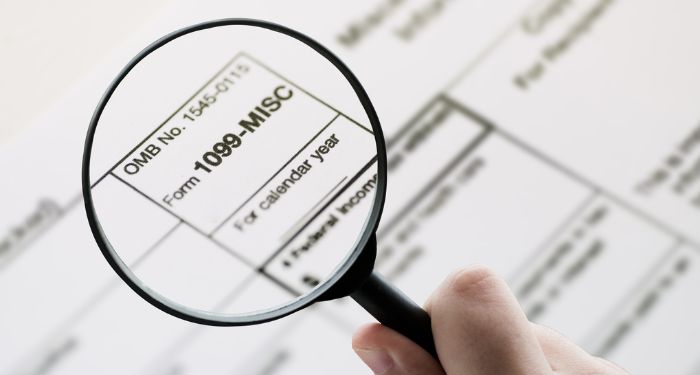
For federal employment taxes, consider who controls how work is performed, who bears financial risk, and the nature of the relationship. A contract or Form 1099 does not establish contractor status. Review the actual working arrangement before onboarding; other employment laws may apply different tests.
4. Why Does My Accountant Keep Adjusting My Books?
Recurring adjustments can signal problems in daily bookkeeping. Record customer invoices, receipts, vendor bills, and payments through the appropriate accounting workflows. Reconcile bank accounts monthly and confirm that customer and vendor balances agree with the general ledger. Investigate discrepancies before closing the month.
5. Why Does My Financial Statement Income Differ from Taxable Income?
Financial reporting and tax rules can recognize income and expenses differently. Cash and accrual methods differ in timing, while some expenses are not deductible for tax purposes. Owners can ask their accountant for a reconciliation explaining the differences so they can understand profitability and plan for taxes.
6. Which Retirement Plan Fits My Business?
Options for retirement plans include SEP IRAs, SIMPLE IRAs, 401(k)s, and defined benefit plans. Savings goals should be compared with employee eligibility, required contributions, administrative costs, and available cash. Before selecting a plan, confirm current limits and deadlines and evaluate the total commitment for both owners and employees.
7. Should I Make Estimated Tax Payments?
Estimated payments may be necessary when withholding does not cover a business’s tax obligation. Meeting applicable safe-harbor requirements can help avoid underpayment penalties, but businesses may still owe money when filing. Update projections during the year and after significant changes in income.
An owner should start with the question most relevant to their business. Then they should bring current financial statements, cash needs, and upcoming decisions to their advisor so they can act before a deadline limits their business’s options.
If you have questions about the information outlined above, McKonly & Asbury’s experienced professionals are here to help. Learn more about our Entrepreneurial Accounting Solutions (EAS) practice by visiting our Entrepreneurial industry page or by contacting a member of the EAS team.
About the Author

Zach Starner, MBA is a manager on the Entrepreneurial Accounting Solutions team. He provides back-office accounting and outsourced financial services to a diverse client base, including large contractors, family-owned businesses,… Read more