After Tax Season: Financial Habits That Set You Up for a Stronger Year
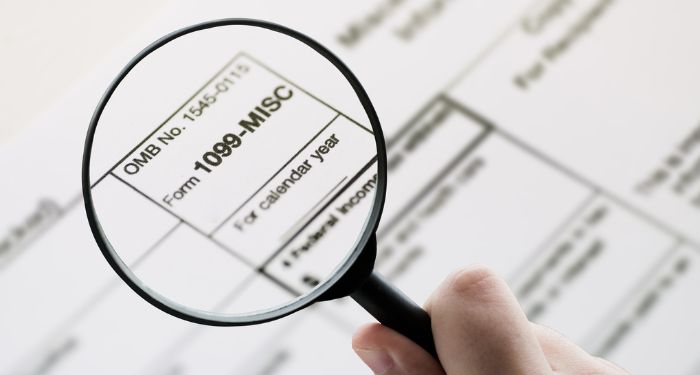
As tax season has come to a close, it is easy to think about taking a break from the world of accounting. After all, taxes are filed and finished for another year. However, to make for a smooth tax season next year, it is helpful to create some good financials habits to be successful through the rest of the year.
Update Financials
Maintaining an updated set of financials throughout the year is a great habit. By updating financials on a regular basis, it allows the business owner to have a better picture of the business’s finances. With a current Balance Sheet, the business owner can accurately see the current bank balances, open receivables, open payables, and net income, all of which provide a status of the financial health of the business. With an accurate set of financials as support, a business owner can make educated decisions.
Review Accounts Receivable
Review Accounts Receivable balances on a regular basis to make sure the business is receiving payments for services. Keep invoicing up-to-date so that customers can pay their invoices timely. Use invoicing solutions, such as QuickBooks Online invoicing, to send invoices electronically with the option to pay online as well. This can help receive payments faster. Send monthly or quarterly statements for past due balances. Keep good recordkeeping of checks received. This is especially important for nonprofits to keep support for audits. However, it is also helpful for any business to have copies or scans of deposit data in case a payment was misapplied, typed incorrectly, or a vendor inquires about their payment status.
Review Accounts Payable
It is also important to review Accounts Payable balances regularly. By keeping track of invoices and paying them on time, it keeps a business in good graces with vendors. Keep invoice copies stored for recordkeeping for support for inquiries. There are times when a review is needed to compare a vendor’s records to a business’s records, and good support makes for an accurate comparison. Keeping good records of invoices paid throughout the year is also helpful if the accountant needs support for particular purchases. A final good Accounts Payable habit is requesting and receiving W9s from vendors before payments are processed.
Communicate Early and Often
Be proactive. When making large purchases, starting construction projects, opening new loans, or making other major changes, keep the accountant in the loop. If an accountant is only used at the end of the year towards tax time, notifying them of changes earlier than year-end provides them with ample notice. It allows them to review the transactions, offer advice, and obtain necessary information when the event happened rather than months later.
Provide the accountant with access. Work with the bank to set up controlled access for the accountant. This allows them to pull bank statements, transaction details, check images, and other documents to assist with keeping files updated. It prevents the extra step of the accountant contacting the business owner for bank codes or requests for statements and other information. This allows the accountant to do their job while the business owner can focus on other tasks.
Maintain Tax Payments
Keep up-to-date with tax payments. If estimated tax payments were calculated, pay them throughout the year. Consider a fall financial review to ensure the tax estimates are still accurate or to receive updated tax estimates. A fall financial review is also a good time to meet with an accountant to discuss recommendations for year-end planning.
Assess Current Technology
Be aware of and open to new technology. Technology is constantly changing, and it can be a good change to embrace some technology. Wariness is not a bad thing, as it is important to make sure that the technology is safe and secure with information. Technology can improve efficiencies, and it can provide solutions for tasks, such as mileage tracking, receipt collection for reimbursements, and invoice payments.
Forming new accounting habits or improving current ones can not only make the next tax season even easier than this past season, as well as improve the success of the business. To learn more about accounting habits for success, or for assistance with getting started, please contact a member of the EAS team.
About the Author

Becky Lauffer joined McKonly & Asbury in 2021 and is a Supervisor in the firm’s Entrepreneurial Accounting Solutions segment.
Becky provides outsourced accounting and tax services for a variety of clients, including small and family-owned businesses and nonprofit entities. She also assists with
accounts payable and receivable, monthly close, financial statement preparation, and QuickBooks.