Clean Books, Confident Taxes: A Guide for Business Owners
One of the most important steps a business owner can take to prepare for tax season is ensuring their books are accurate, complete, and ready for review by their accountant. Well-prepared financial records don’t just make tax filing easier, they can reduce professional fees, minimize the risk of errors, and create opportunities for proactive tax planning. Taking the time to prepare one’s books properly before year-end reporting sets the foundation for a smoother close and more reliable tax returns.
Recording the Year’s Transactions
The first step in preparing a business’s books is making sure all transactions for the year have been recorded. This includes entering all bank and credit card activity through year-end, posting final payroll entries, recording owner contributions or distributions, and ensuring loan payments and interest are accurately reflected. Once transactions are complete, the accounting period should be closed if one’s accounting software allows it. Closing the books helps preserve the integrity of a business’s financial statements by preventing accidental or unauthorized changes after review.
Reconciling the Balance Sheet
After transactions are finalized, reconciling balance sheet accounts is critical. An organization’s accountant relies on reconciliations to verify that the balances shown in the accounting system agree with external documentation. Bank accounts and credit cards should tie directly to statements, loan balances should match lender records, and payroll, sales tax, and other government liabilities should be fully supported. Accounts receivable and accounts payable should also be reviewed to confirm they reflect actual outstanding customer and vendor balances. Unreconciled accounts often lead to delays, questions, and higher accounting costs.
Reviewing Income and Expenses
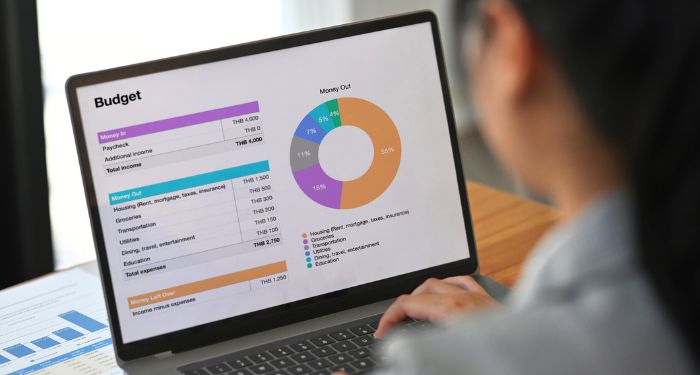
Once balances are reconciled, it is important to review how income and expenses are categorized. Misclassified transactions are one of the most common issues accountants encounter during year-end reviews. Revenue should be recorded consistently in the proper accounts, and expenses should be classified in a way that clearly reflects their business purpose. Particular attention should be paid to areas such as meals, travel, vehicle costs, and owner-related transactions, as these are frequently scrutinized for deductibility and compliance. A high-level reasonableness review can help identify unusual or incorrectly recorded items before they become a problem.
Fixed assets and depreciation should also be reviewed before books are sent to the accountant. Equipment, vehicles, furniture, and other long-term purchases should be identified and properly recorded as assets rather than expensed incorrectly. Assets that were sold or disposed of during the year should be removed from the books, and repairs should be distinguished from capital improvements. While accountants typically calculate tax depreciation, accurate fixed asset records ensure depreciation schedules are complete and compliant with IRS rules.
For businesses using accrual accounting, confirming accounts receivable and accounts payable is especially important. All customer invoices for the year should be issued, unapplied credits should be reviewed, and uncollectible balances should be addressed if necessary. On the payable side, expenses incurred before year-end should be recorded, even if the bill has not yet been received. Proper cutoff ensures that income and expenses are reported in the correct period and that financial statements fairly reflect business activity.
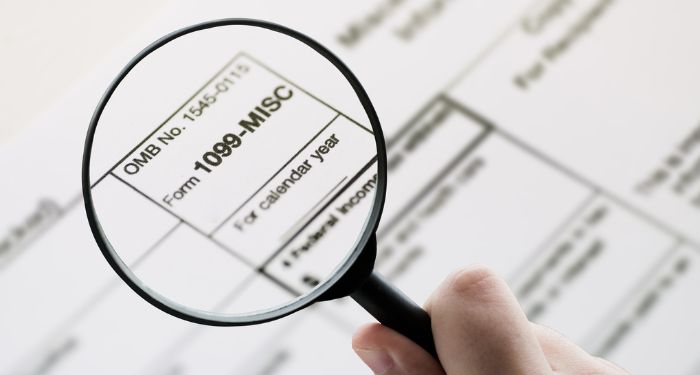
Payroll and contractor records deserve careful attention as well. Payroll expenses should be reconciled to payroll reports, and payroll tax liabilities should match filed returns. Employee information should be reviewed for accuracy in preparation for W-2 reporting, and contractor payments should be evaluated for 1099 compliance. Payroll errors can trigger notices and penalties, so addressing discrepancies before year-end can prevent costly issues later.
Gathering Supporting Documentation
To streamline the tax preparation process, it is also helpful to gather supporting documentation for one’s accountant in advance. This may include final bank and credit card statements, loan agreements and amortization schedules, payroll reports, fixed asset purchase details, prior-year tax returns, and any relevant legal documents, such as leases or operating agreements. Organized documentation allows an accountant to work efficiently and reduces the need for follow-up requests.
Communicating Early
Finally, communication with one’s accountant should begin early. Asking what information, they need and when they need it allows time to correct issues, address complex items, and explore tax planning opportunities before deadlines approach. Proactive communication often leads to better outcomes and a less stressful year-end process.
Preparing a business’s books for one’s accountant is about more than compliance, it’s about clarity and control. Clean, accurate financial records lead to more reliable tax returns, better insights into the business, and a stronger working relationship with the accountant. With thoughtful preparation, year-end can shift from a scramble to a strategic advantage.
For specific questions, assistance, or additional information, please do not hesitate to contact a member of our Entrepreneurial Accounting Solutions (EAS) team.
About the Author

Zach Starner, MBA is a manager on the Entrepreneurial Accounting Solutions team. He provides back-office accounting and outsourced financial services to a diverse client base, including large contractors, family-owned businesses,… Read more