New Year, New Budget! Budgeting Basics for the Start of the Year
With a new year comes New Year’s resolutions. At the top of the list is typically physical health improvements. A healthier lifestyle is an important focus, but how about financial health? Finance often adds stress to life, and added stress is not good for anyone. Financial evaluation and planning can aid in adding balance and easing stress. Budgeting, either on a business level or a personal level, is sometimes an overlooked tool in managing financial health.
Budgets for Businesses
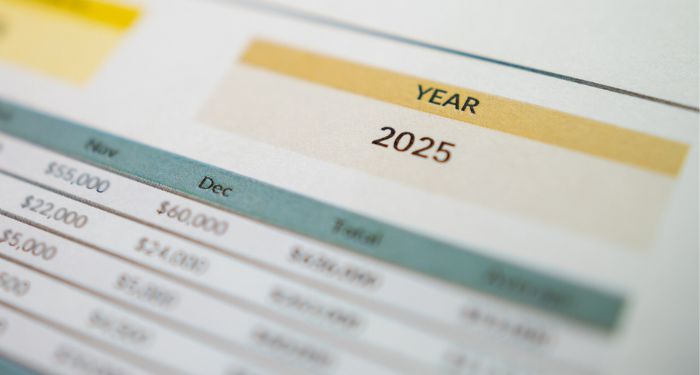
A budget is a financial plan for the year often laid out by month. It contains projected income and expenses that can assist in planning for the year. Once a budget is created, it can be reviewed against actual financials throughout the year. An actual versus budget analysis tells a business owner if they are meeting their goals or falling short. It provides a picture of where adjustments may be needed or to explain why a business is not meeting a particular goal. For example, a business notices their expenses are higher than budgeted, but they had to make unexpected equipment repairs, which explains the shortfall.
It is important to include cash flow as part of the budgeting process. A business’s long-term financial health is found on the Balance Sheet rather than the Profit & Loss. If cash flow is ignored, a business may find itself running out of cash to pay expenses. Every business should analyze cash flow, but it can be particularly important for seasonal businesses where most of the cash comes in during certain times of the year, but cash is spent all year on operations. A healthy cash flow is vital to long-term business success.
When creating a budget, it is common practice to use the prior year data as a baseline. Review the prior year’s Profit & Loss Statement, evaluate areas for prospective change, and set goals for the new year. Consider the type of business, applicable seasonality of the industry, and distinguish variable income and expenses versus fixed income and expenses.
Below are some questions that can assist with creating a budget:
- Was there a large one-time project in the prior year that should not be included in the budget? Is there a one-time project planned for the new year that needs to be included in the budget?
- What is the targeted revenue for the new year? Will the income fluctuate (i.e., any anticipated new projects to generate additional income), or will the income remain steady and similar to prior years (i.e., a rental property may increase slightly due to increases in rent but otherwise stay stable)?
- What work is already scheduled for the year? Is there a pattern in the revenue flow (consistent or seasonal)?
- What expenses are expected to remain fixed (e.g., rent expense, insurance, subscriptions, and advertising)? What expenses are expected to change (e.g., payroll increases or decreases, equipment maintenance)?
As the budget is formed, build it out per month to capture seasonal fluctuations and to help analyze cash flow needs throughout the year. Income may flow higher in four months of the year, but that needs to stretch for twelve months of expenses. By including a cash flow analysis as part of the budget, it increases the clarity of any shortfalls during the year and allows the business owner to proactively plan for needed adjustments.
Budgets for Individuals
Budgeting is important for businesses, but it can also be a valuable habit on a personal level. Determine the expected monthly income for the household. Review prior year information to identify average utility costs, gas expenses, groceries, loan payments, and other typical monthly payments. Review credit card charges, activities, entertainment, and additional expenses that may occur throughout the year. Include a set monthly amount for savings; a small amount put aside to savings each month is better than nothing, and a goal can be to increase that in the future.
Similar to a business, an individual can review an actual versus budget analysis throughout the year. A person can easily see where money is being spent and if goals are being met. This analysis provides a precise image of earnings versus spending and can assist with changing spending habits to improve financial health.
Tools for Budgeting
In this age of technology, there are many budgeting tools available. Excel is a common resource. For businesses, accounting software already in use, such as QuickBooks Online, provides the ability to enter a budget into the software and run reports that compare financials against the budget. For personal use, some available budgeting apps, both free and subscription-based, include Monarch, Quicken, Goodbudget, and SoFi Relay.
Budgeting is sometimes viewed as time-consuming and overwhelming. However, it is an investment well worth the time and any subscription cost. Budgeting can make a huge difference for a business managing their expenses or for a person trying to build their savings.
To learn more about budgeting or for assistance with getting started, please contact Becky Lauffer, Supervisor with our Entrepreneurial Accounting Solutions (EAS) team.
About the Author

Becky Lauffer joined McKonly & Asbury in 2021 and is a Supervisor in the firm’s Entrepreneurial Accounting Solutions segment.
Becky provides outsourced accounting and tax services for a variety of clients, including small and family-owned businesses and nonprofit entities. She also assists with
accounts payable and receivable, monthly close, financial statement preparation, and QuickBooks.